
10 Fun Facts About Paris You Need to Know
Paris is full of famous landmarks, but let’s be honest: the fun stories are often the ones that stay with you. At Les Canards de Paris, uncovering the city’s quirkiest facts is a bit of a speciality, so we thought it was only fair to share a few of our favourites. Here are 10 fun facts about Paris to make you see the city a little differently.
1. The Statue of Liberty has a sister in Paris
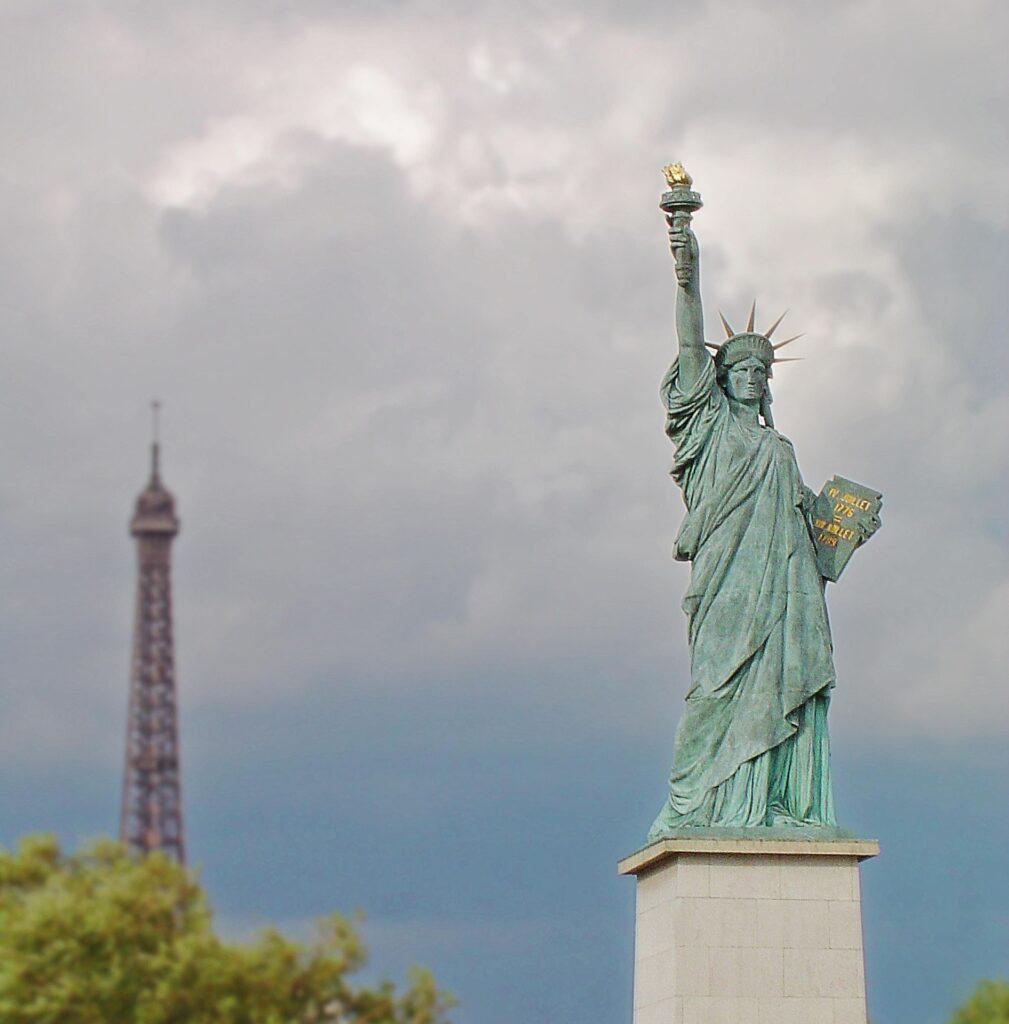
Yes, Paris has its own Statue of Liberty ! Because one Lady liberty apparently was not enough. The Parisian version stands on the Île aux Cygnes, a narrow hidden artificial parisian island on the Seine near Pont de Grenelle. We know her well at Les Canards de Paris : our magical Parisian amphibious bus passes by her almost every day.
And in case you are wondering which came first, New York wins this round. The original Statue of Liberty was inaugurated in New York on October 28, 1886, while the Paris replica was unveiled on July 4, 1889. This quarter-scale version was gifted by Americans living in Paris as a symbol of Franco-American friendship and as part of the celebrations around the centenary of the French Revolution. Better still, it was later turned to face west, as if keeping an eye on its big sister across the Atlantic.
2. Paris Has Vineyards That Still Produce Wine
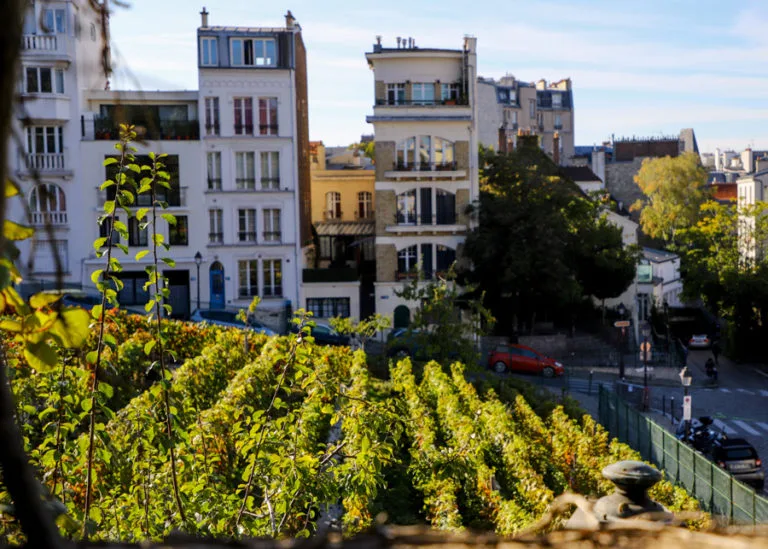
Somewhere in the middle of dense Paris, a patch of vineyard has somehow made it all the way to 2026. Clos Montmartre is tucked away on the Montmartre hill, where vines have stubbornly held their ground in the heart of the 18th arrondissement.
Each year, the harvest produces close to 2,000 bottles of red and rosé, and some of them can be tasted during the Fête des Vendanges de Montmartre or through special visits linked to the Musée de Montmartre. Not many capital cities can casually claim a working vineyard.
3. Coco Chanel Lived at the Ritz Paris for Decades
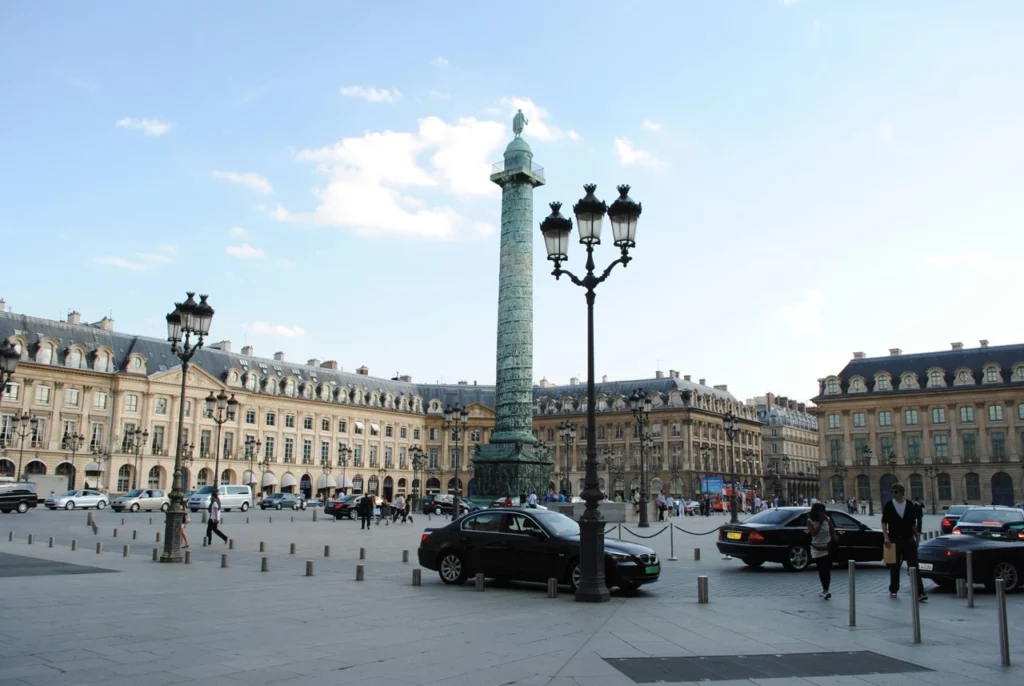
Coco Chanel did not just drop by the Ritz for the occasional glamorous night ; she made it part of her everyday life. Her fashion house was just around the corner at 31 rue Cambon, and she had been a regular at the hotel since the 1920s.
According to the Ritz Paris itself, she spent more and more time there from 1935, then settled there permanently in 1954 for the rest of her life. Which means that one of the biggest names in French fashion chose a palace hotel on Place Vendôme as her long-term address. A very Parisian way of taking “living in style” a little too literally.
4. The Oldest House in Paris Is Linked to a Legendary Alchemist
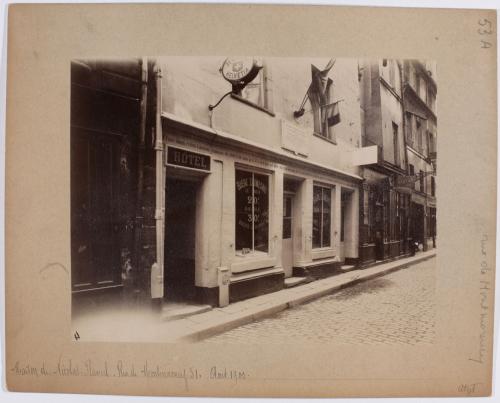
At 51 rue de Montmorency in the Marais, the Maison de Nicolas Flamel is widely considered the oldest house still standing in Paris, dating back to 1407. The name may ring a bell: Nicolas Flamel later became famous in legend as the alchemist who discovered the Philosopher’s Stone and turned lead into gold.
In real life, though, he was a wealthy Parisian writer and benefactor rather than a confirmed miracle-working magician. The house itself was built to shelter poor people, who were asked to say prayers in return, a detail still echoed in the inscription on the façade. Sos, o yene of the oldest houses in Paris does come with an alchemy legend attached to it, which is exactly the kind of thing Paris likes to hide in plain sight.
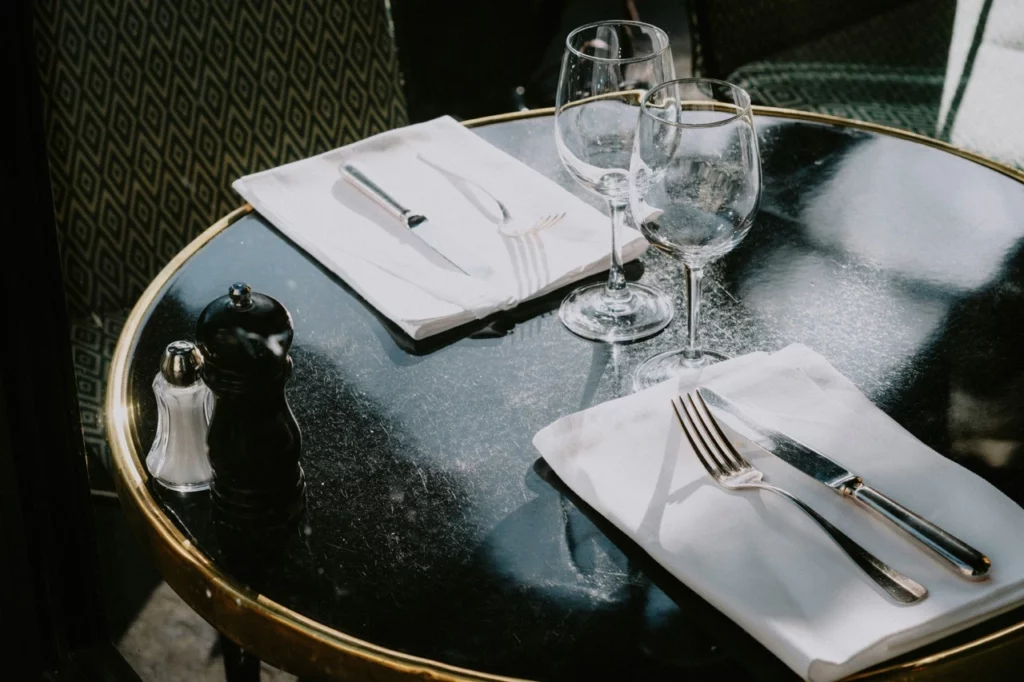
5. The First Modern Restaurants Were Born in Paris
Paris did not invent the idea of eating out, of course. Taverns and inns had been feeding people for centuries. But the modern restaurant, as we understand it today, really took shape here.
In 1765, a Parisian soup seller named Boulanger opened an establishment serving restorative broths called restaurants, a word that originally referred to food meant to “restore” one’s strength.
Then, in 1782, Antoine Beauvilliers opened La Grande Taverne de Londres in Paris, often described as the city’s first great luxury restaurant. If you enjoy eating in restaurants, Paris has a lot to do with it.
6. The Eiffel Tower Was Supposed to Be Temporary
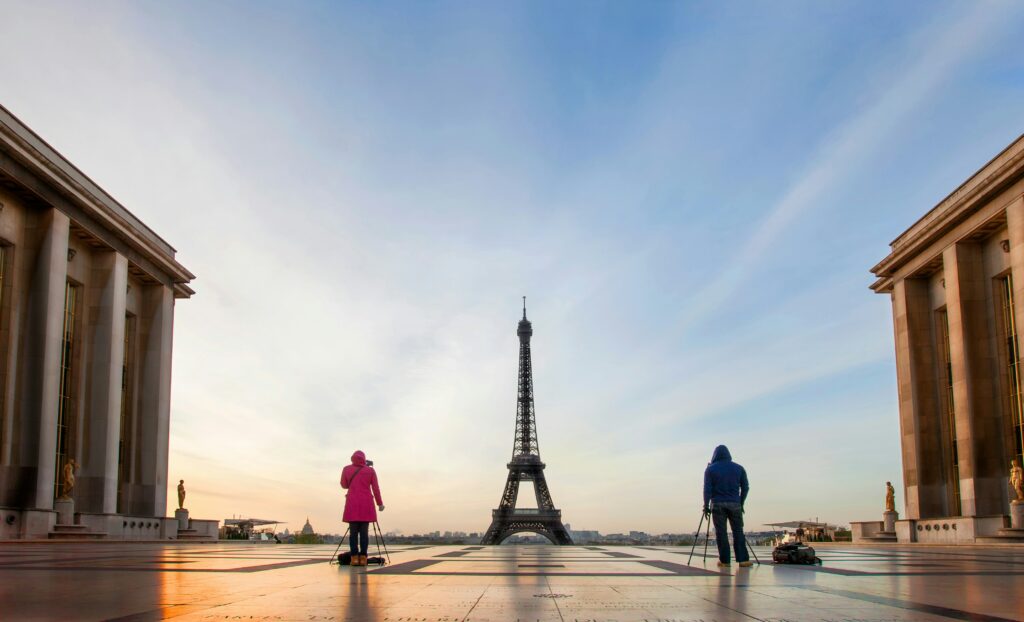
It is hard to imagine Paris without the Eiffel Tower, yet the city was never meant to keep it forever. A fun fact that surprises most visitors (and Parisians too).
Built for the 1889 Exposition Universelle, the tower was originally granted only a 20-year concession and was supposed to come down in 1909.
Not exactly the destiny you would expect for the future star of every postcard rack in Paris. What saved it was not just affection, but practicality: Gustave Eiffel proved that the tower could be useful for scientific experiments and, later, for radio transmission. In short, the world's most famous landmark survived because it turned out to be useful first and photogenic second.
7. Opera Garnier Has a Secret Underground Lake
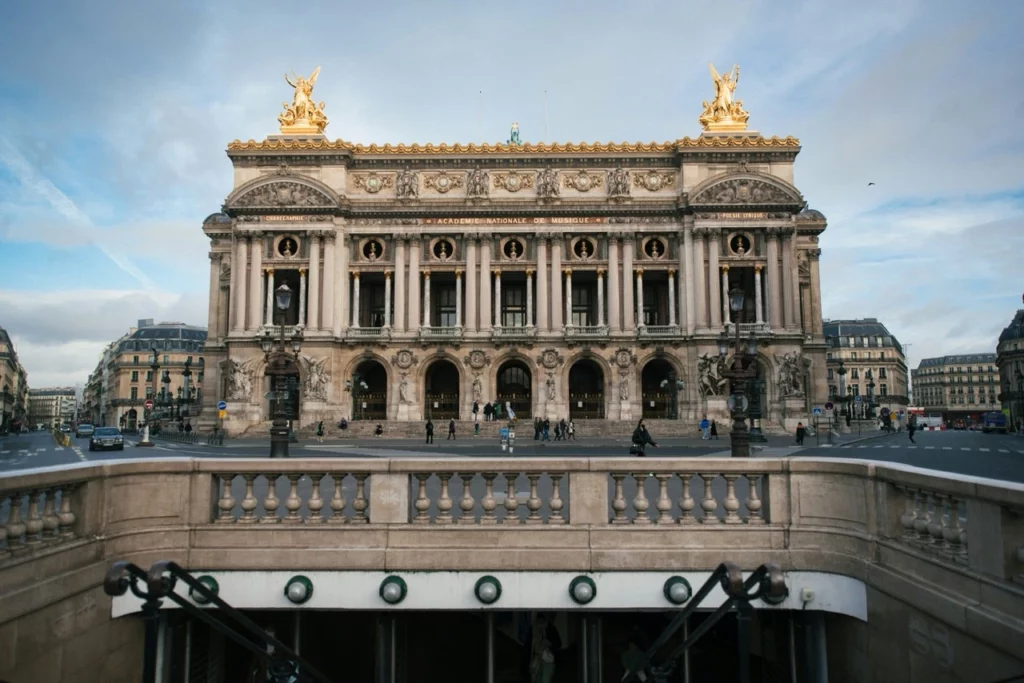
Beneath the velvet, gold leaf and grand staircases of the Palais Garnier lies one of Paris’s strangest hidden features: an underground water reservoir often referred to as a secret lake. It exists for a very practical reason.
During construction, Charles Garnier ran into the water table and had to build cisterns to contain the water, protect the structure and keep a reserve in case of fire. In other words, the famous “lake” is less a romantic lagoon than a brilliantly Parisian engineering fix.
The reservoir is still there today, deep below the stage, and is even used by Paris firefighters for training.
8. Place de la Concorde Once Hosted the Guillotine
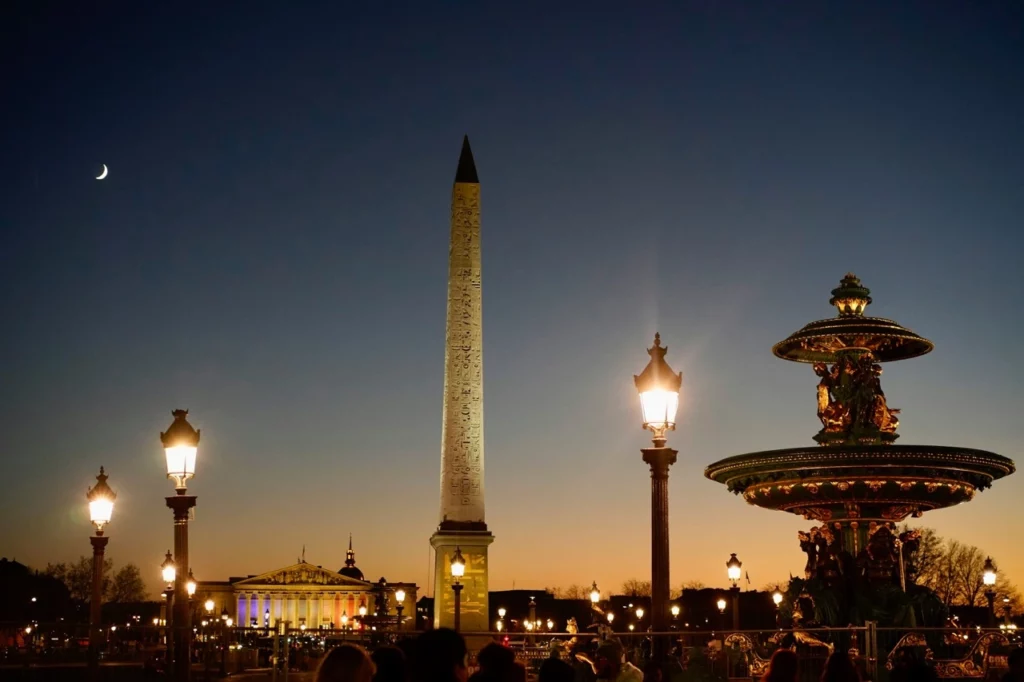
Today, Place de la Concorde is all fountains, symmetry and postcard views. Not exactly the setting you would associate with the French Revolution. Yet during that period, when the square was known as Place de la Révolution, it became one of Paris’s main execution sites.
Louis XVI, Marie-Antoinette and many others were guillotined there. Historians say that 1,119 people were executed on the square during the Revolution.
It is one of those unbelievable Paris facts that feels almost impossible once you are standing there today, surrounded by traffic, elegant fountains and grand buildings such as the Hôtel de Crillon.
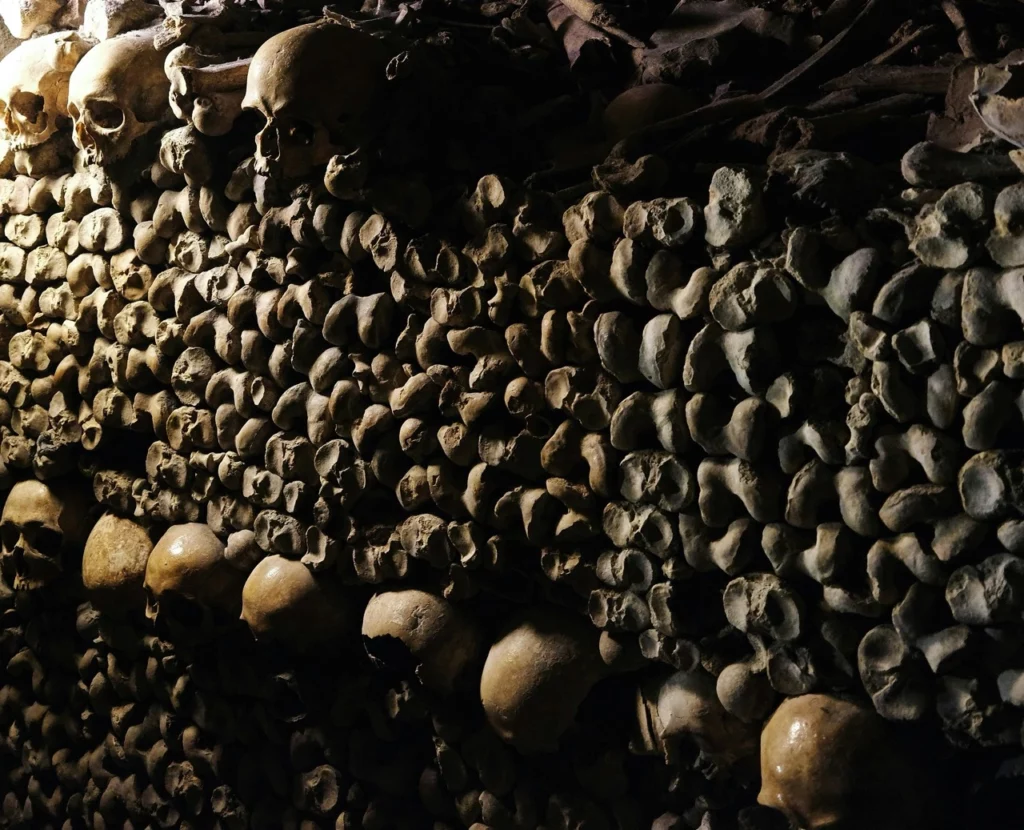
9. There Are More Than 6 Million Human Remains Under Paris
The Paris above ground gets all the glamour, but the city below has a rather unforgettable way of making an impression. Around 20 metres underground, the Catacombs hold the remains of several million Parisians, commonly estimated at more than six million, transferred there from the city’s overcrowded cemeteries from the late 18th century onward.
The result is part ossuary, part underground history lesson, and completely unlike anything else in the capital. It is also a strong reminder that beneath the cafés, grand façades and museum-worthy beauty, Paris is standing on centuries of its own past.
10. The Eiffel Tower Changes Size in Hot Weather
The Eiffel Tower may look perfectly solid, but did you know summer does make it move a little ? Like any large iron structure, it expands when temperatures rise and contracts again when the air cools.
On very sunny days, if one side heats up more than the others, the top can shift by around 15 centimetres.
No need to panic if you are up there, though. The movement is so slight that you would not feel a thing.
Paris may be famous for its beauty, but it also has a very real talent for being gloriously odd. Few cities can boast hidden vineyards, underground ossuaries and a tower that shifts in the summer sun without raising an eyebrow.
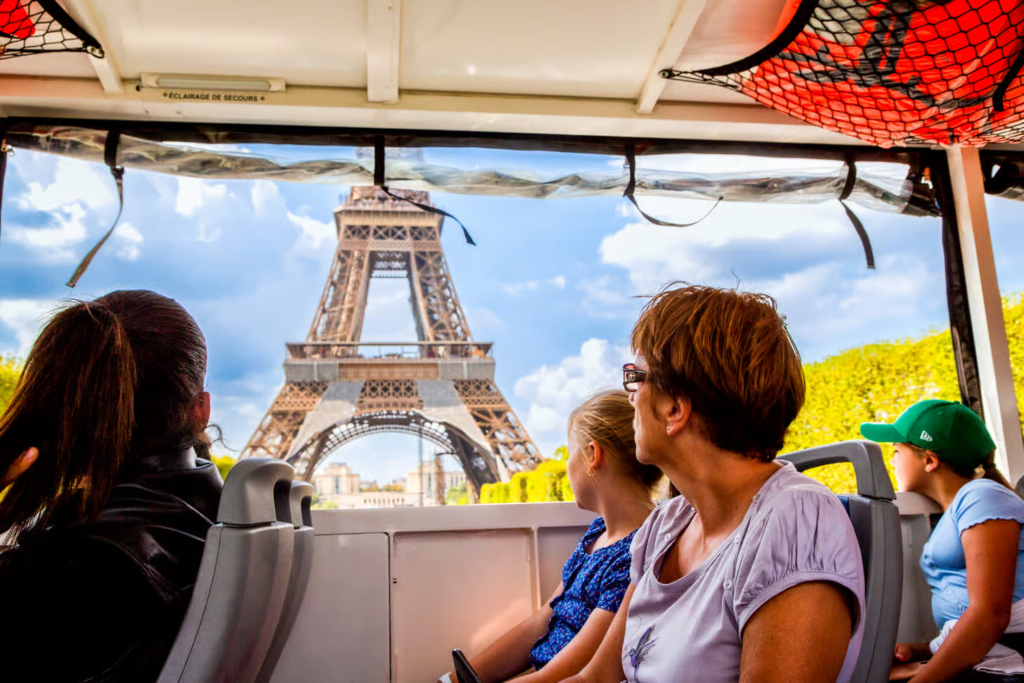
And for even more delightfully surprising stories about Paris, climb aboard our amphibious bus and let our passionate live guides show you a side of the city that goes far beyond the usual landmarks.